1. Design a scooter obstacle course for DVL 1 students to negotiate throughout a gymnasium.
Set up lanes/roads with stop signs and "traffic lights", students must maneuver throughout the "neighborhood" obeying stop signs/traffic lights and also go around, under, over, and thru different obstacles laid out throughout the gymnasium.
2. Explain to a parent the benefits of having children participate in scooter activities.
Scooter activities make it so students behave in a safe and responsible manner because there are added risks of injury if you are not using a scooter properly. Also students must cooperate with classmates and be aware of their surroundings at all times while using the scooters.
3. What team strategy concepts would you stress in scooter basketball?
I would stress passing and finding open lanes. It is important to find open space to get away from defenders and to also use teamwork and pass the ball to get closer to the basket.
Showing posts with label 355 Lab. Show all posts
Showing posts with label 355 Lab. Show all posts
Sunday, March 11, 2012

Wednesday, February 29, 2012
Lab 16: Lesson Planning Through The Four Stages Of Game Play
Explain how you would use the four stages of game play by Rink as a rubric with students in your own physical education classes.
I would use the rubric as a framework to come up with developmentally appropriate activities for my students. It would help me determine which activities I should use for each stage and then eventually progress up to the higher stages. I think it is a great organizational tool as well as something to refer to when coming up with unit plans for different games/sports.

I would use the rubric as a framework to come up with developmentally appropriate activities for my students. It would help me determine which activities I should use for each stage and then eventually progress up to the higher stages. I think it is a great organizational tool as well as something to refer to when coming up with unit plans for different games/sports.

Friday, February 24, 2012
Lab 11: Parachute Fitness and Yoga For Personal Health/Wellness
1. Find information on the history of the parachute and how a parachute works.
The first account of a parachute concept is found in Da Vinci's notebook. It was originally confined to carnivals and daredevils. Acrobats would perform routines using parachutes.The first jump from an airplane using a parachute was in 1911.
2. Create a parachute routine composed of various parachute activities learned in class.
Shark attack, Different movements holding parachute (Running, skipping, galloping), popcorn, soup.

The first account of a parachute concept is found in Da Vinci's notebook. It was originally confined to carnivals and daredevils. Acrobats would perform routines using parachutes.The first jump from an airplane using a parachute was in 1911.
2. Create a parachute routine composed of various parachute activities learned in class.
Shark attack, Different movements holding parachute (Running, skipping, galloping), popcorn, soup.

Wednesday, February 22, 2012
Lab 15: Improving Teaching Skills: Presenting An Introductory Activity
1. Reflect upon your lab teaching experience. Describe your teaching strengths and weaknesses for teaching in this lab.
Overall, I think I did a fairly good job in my volleying lesson. I feel that my biggest strength was my hook and props, by bringing in sunglasses and telling students for class we were pretending we were on vacation at the beach I think elementary aged students would really enjoy that. As far as weaknesses go I think I scrambled a little bit trying to fit all my activities into an 8 minute lesson plan. Next time I think I would just pick 2 or 3 activities and just let the students get the most out of those activities instead of rushing.
2. Identify one of your most effective teachers. What teaching behaviors did you admire most in the way he/she taught?
My 10th grade physics teacher was one of my most effective. I admired that he truely cared and had passion for teaching. He didn't choose the education field for the money, he chose it because he loved learning and saw the value in getting a quality education.
3. What goals will you set for yourself as you prepare to teach in the Education 300 Field Experience?
In my field experience I want to have fun with my activities and get really into them. By showing enthusiasm and having fun I think it will trickle down to the students attitudes towards physical education as well. Not only do I want my classes to be fun but I want them to hold some educational weight as well.

Overall, I think I did a fairly good job in my volleying lesson. I feel that my biggest strength was my hook and props, by bringing in sunglasses and telling students for class we were pretending we were on vacation at the beach I think elementary aged students would really enjoy that. As far as weaknesses go I think I scrambled a little bit trying to fit all my activities into an 8 minute lesson plan. Next time I think I would just pick 2 or 3 activities and just let the students get the most out of those activities instead of rushing.
2. Identify one of your most effective teachers. What teaching behaviors did you admire most in the way he/she taught?
My 10th grade physics teacher was one of my most effective. I admired that he truely cared and had passion for teaching. He didn't choose the education field for the money, he chose it because he loved learning and saw the value in getting a quality education.
3. What goals will you set for yourself as you prepare to teach in the Education 300 Field Experience?
In my field experience I want to have fun with my activities and get really into them. By showing enthusiasm and having fun I think it will trickle down to the students attitudes towards physical education as well. Not only do I want my classes to be fun but I want them to hold some educational weight as well.
Friday, February 17, 2012
Lab 9/10: Exercising Imagination And Building Inanimate Objects
1. Identify a fitness theme and design appropriate fitness stations to enhance various health and skill related components of fitness.
Fitness Theme: Cardiovascular and Muscular Endurance
Station 1: Jumping Rope
Station 2: Sit-Ups
Station 3: Ski Jumps Over Line
Station 4: Step-Ups
2. Identify people that are famous for use of imagination and creativity such as Einstein, Picasso and Bach.
Walt Disney, Dr. Seuss, Chuck Jones
3. Design a rubric for assessing the acting-out of inanimate objects by students in small groups as described in the activity close of this lab.
Criteria to Meet: Each group member acts a part out, creative, Sound Effects, and Cooperation.
Fitness Theme: Cardiovascular and Muscular Endurance
Station 1: Jumping Rope
Station 2: Sit-Ups
Station 3: Ski Jumps Over Line
Station 4: Step-Ups
2. Identify people that are famous for use of imagination and creativity such as Einstein, Picasso and Bach.
Walt Disney, Dr. Seuss, Chuck Jones
3. Design a rubric for assessing the acting-out of inanimate objects by students in small groups as described in the activity close of this lab.
Criteria to Meet: Each group member acts a part out, creative, Sound Effects, and Cooperation.
Wednesday, February 15, 2012
Lab 8: Communication And Cooperation Using Hula Hoops
1. Explain three important benefits of hoop play.
Young Children enjoy using hula hoops, there are numerous variations of activities you can do using hoops, and they make for an easy pick up at the end of class.
2. Give an example of how hoops can be used to reinforce a cognitive concept linked with classroom learning.
The teacher can give certain directions when using hula hoops that the students must listen to and follow throughout class.
3. Describe how hoops can be utilized to promote growth in the affective domains.
There are numerous activities using a hoop that require cooperation with other students such as the partner hoop toss, twister, and walk the dog.
4. Utilize the internet to gather information about ponds and related ecology to use in your field experience teaching or future teaching.
Ponds are an ecosystem with which animals and plants coexist. I could use this to teach how students should work on being a helpful neighbor and cooperate with one another to have a more enjoyable and nicer community. I could focus this lesson around hula hoops as well pretending that the hoops are lily pads in a pond and that the students must hop like a frog on the lily pads to get from one side of the pond to the other.

Young Children enjoy using hula hoops, there are numerous variations of activities you can do using hoops, and they make for an easy pick up at the end of class.
2. Give an example of how hoops can be used to reinforce a cognitive concept linked with classroom learning.
The teacher can give certain directions when using hula hoops that the students must listen to and follow throughout class.
3. Describe how hoops can be utilized to promote growth in the affective domains.
There are numerous activities using a hoop that require cooperation with other students such as the partner hoop toss, twister, and walk the dog.
4. Utilize the internet to gather information about ponds and related ecology to use in your field experience teaching or future teaching.
Ponds are an ecosystem with which animals and plants coexist. I could use this to teach how students should work on being a helpful neighbor and cooperate with one another to have a more enjoyable and nicer community. I could focus this lesson around hula hoops as well pretending that the hoops are lily pads in a pond and that the students must hop like a frog on the lily pads to get from one side of the pond to the other.
Tuesday, February 7, 2012
Lab 5: A Spectrum of Ball Handling Skills
1. Use the internet to search for information about turtles and how they live.
Turtles are one of the oldest animals on the Earth.They are in the reptile family and lay eggs. Turtles spend most of their time underwater, but surface for air regularly. They can live in both a water and land climate.Researchers have recently discovered that a turtle's organs do not break down over time which allows for longevity.
2. Identify the fitness components being addressed in squad square fitness. Where are these components located on the New York State Conceptual Framework for K-12 Physical Education?
The fitness components being addressed are muscular strength and endurance and cardiovascular endurance.
3. Prescribe a series of ball handling skills for a second grade boy or girl that is afraid of catching a ball. What kinds of objects might you prescribe throwing and catching.
Dribble in place, Dribble while moving, Toss to self, bounce to a partner, Bounce ball and move under it to catch.
I would use beach balls, rhino balls, bean bags, and kick balls.
4. What are some of the guidelines you would follow in pairing students for throwing and catching.
I would start with basic skills first such as the underhand throw from a short distance and gradually move the students further apart and allow them to throw overhand. This way there is more control over the activity and students will be less likely to act out of control.
5. How would you help a special needs student learn to catch that displays delayed motor control and lack of fine motor control dexterity.
Just like any other student I would start out with basic skill movements/activities to try and teach basic performance cues. I would probably have the student use different objects than a normal lesson. I think using scarves and beach balls would be good to use because they are light and move slower through the air making it easier for the student to control.
Turtles are one of the oldest animals on the Earth.They are in the reptile family and lay eggs. Turtles spend most of their time underwater, but surface for air regularly. They can live in both a water and land climate.Researchers have recently discovered that a turtle's organs do not break down over time which allows for longevity.
2. Identify the fitness components being addressed in squad square fitness. Where are these components located on the New York State Conceptual Framework for K-12 Physical Education?
The fitness components being addressed are muscular strength and endurance and cardiovascular endurance.
3. Prescribe a series of ball handling skills for a second grade boy or girl that is afraid of catching a ball. What kinds of objects might you prescribe throwing and catching.
Dribble in place, Dribble while moving, Toss to self, bounce to a partner, Bounce ball and move under it to catch.
I would use beach balls, rhino balls, bean bags, and kick balls.
4. What are some of the guidelines you would follow in pairing students for throwing and catching.
I would start with basic skills first such as the underhand throw from a short distance and gradually move the students further apart and allow them to throw overhand. This way there is more control over the activity and students will be less likely to act out of control.
5. How would you help a special needs student learn to catch that displays delayed motor control and lack of fine motor control dexterity.
Just like any other student I would start out with basic skill movements/activities to try and teach basic performance cues. I would probably have the student use different objects than a normal lesson. I think using scarves and beach balls would be good to use because they are light and move slower through the air making it easier for the student to control.
Friday, February 3, 2012
Lab 4:Improving Manipulation with Bean Bag Challenges
1. Explain how a unit based on lessons of this nature would serve as a foundation for acquiring specialized throwing and catching skills.
It would serve as a foundation because all the activities we did during this lab worked on hand eye coordination, catching skills, and throwing skills using basic objects such as the bean bag. Having these basic skills really helps in acquiring more advanced throwing and catching skills.
2. Identify a theme that could be applied to health hopping appropriate for young children.
A theme that could be applied is talking about the heart and how it pumps blood to the body in a certain rhythm. So when you are giving instructions on how to hop you could tell the students to keep the rhythm of a heart pumping blood. You could tell them to hop faster for more blood to be pumped or to hop slower for less blood to be pumped.
3. Design a checklist of critical elements to look for when observing a child performing a locomotor movement.
Balance, Rhythm, Smooth Motions, Arm/Leg movement
4. Come up with two other activities using beanbags.
Gold Rush- Students have to work as a team lined up between two hula hoops. The hoops represent "gold mines". Inside one hoop is a bunch of bean bags (gold nuggets). The students must transport the beanbags from the one hoop to the other hoop by passing over their heads and through their legs alternating each student in the line. If they drop a beanbag they have to send it back to the front person and start over. First team to transport all beanbags wins.
Spider Web- Have students make a circle in the gym. Give one child a bean bag and they have to throw it to another person. That person throws it to another person and so on until everyone in the circle has gotten a chance to throw and catch a bean bag. Each time they get the beanbag they have to throw it to the same person they threw it to last time. Progressively add more beanbags into the circle to be thrown.
It would serve as a foundation because all the activities we did during this lab worked on hand eye coordination, catching skills, and throwing skills using basic objects such as the bean bag. Having these basic skills really helps in acquiring more advanced throwing and catching skills.
2. Identify a theme that could be applied to health hopping appropriate for young children.
A theme that could be applied is talking about the heart and how it pumps blood to the body in a certain rhythm. So when you are giving instructions on how to hop you could tell the students to keep the rhythm of a heart pumping blood. You could tell them to hop faster for more blood to be pumped or to hop slower for less blood to be pumped.
3. Design a checklist of critical elements to look for when observing a child performing a locomotor movement.
Balance, Rhythm, Smooth Motions, Arm/Leg movement
4. Come up with two other activities using beanbags.
Gold Rush- Students have to work as a team lined up between two hula hoops. The hoops represent "gold mines". Inside one hoop is a bunch of bean bags (gold nuggets). The students must transport the beanbags from the one hoop to the other hoop by passing over their heads and through their legs alternating each student in the line. If they drop a beanbag they have to send it back to the front person and start over. First team to transport all beanbags wins.
Spider Web- Have students make a circle in the gym. Give one child a bean bag and they have to throw it to another person. That person throws it to another person and so on until everyone in the circle has gotten a chance to throw and catch a bean bag. Each time they get the beanbag they have to throw it to the same person they threw it to last time. Progressively add more beanbags into the circle to be thrown.
Tuesday, January 31, 2012
Lab 3: Locomotor Skills Applied In Low Organized Games
1. Select one of the locomotor skills and create your own set of teaching cues.
Gallop- Face Forward, Heel to Toe, Back Toe Kicks Front Heel
2. Identify the specific pathways used in each of the low organized games presented in the lesson focus.
Straight- Children move along a straight line without any turns or curves.
Zig Zag- Children move along a straight line and have the option of turning onto another line that crosses through the line at an angle.
Curved- Children move along a line that bends or curves.
3. Select a topic for a class talk and outline the questions and key points that would help you guide a class talk.
Goal Setting
- What is goal setting?
-Why is it important to have goals?
- What makes a goal reachable?
4. Make a checklist of performance points to look for in one of the locomotor movements.
Running- Arms swing in opposition, Center of Gravity, Brings knees up, Pushes Through Stride
Gallop- Face Forward, Heel to Toe, Back Toe Kicks Front Heel
2. Identify the specific pathways used in each of the low organized games presented in the lesson focus.
Straight- Children move along a straight line without any turns or curves.
Zig Zag- Children move along a straight line and have the option of turning onto another line that crosses through the line at an angle.
Curved- Children move along a line that bends or curves.
3. Select a topic for a class talk and outline the questions and key points that would help you guide a class talk.
Goal Setting
- What is goal setting?
-Why is it important to have goals?
- What makes a goal reachable?
4. Make a checklist of performance points to look for in one of the locomotor movements.
Running- Arms swing in opposition, Center of Gravity, Brings knees up, Pushes Through Stride
Friday, January 27, 2012
Lab 2: Singing to Movement Activities
1. Explain why exercises such as sit-ups and push-ups have to be modified for kindergarten and first grade students in the DVL 1 group.
By modifying the exercises you are turning it into a game, therefore the students don't even realize they are doing the exercises and they have more fun with it. Plus if you told them to do push-ups or sit-ups they wouldn't have fun with it and wouldn't do it correctly.
2. Why is rhythmic activity important for young children?
It is important because they respond better to rhythmic activities because it is just a natural enjoyment for them.
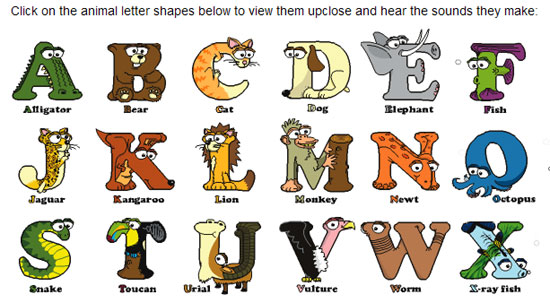
3. Define laterality and explain why tracing giant letters helps reinforce cognitive learning.
Laterality is defined as preference in using one side of the body over the other. Tracing giant letters reinforces cognitive learning because the students are both thinking about the alphabet and movements to help shape the letters.
4. Why are educators concerned about young children and not being able to keep an internal beat?
If they are unable to keep an internal beat it shows that their listening skills and movement capabilities are not up to what they should be.
5. Define homo-lateral and cross lateral movements.
Homo-lateral movement relates to the movement of the same side of the body. Cross lateral movement is when the movements cross over the mid line of the body to the other side.

By modifying the exercises you are turning it into a game, therefore the students don't even realize they are doing the exercises and they have more fun with it. Plus if you told them to do push-ups or sit-ups they wouldn't have fun with it and wouldn't do it correctly.
2. Why is rhythmic activity important for young children?
It is important because they respond better to rhythmic activities because it is just a natural enjoyment for them.
3. Define laterality and explain why tracing giant letters helps reinforce cognitive learning.
Laterality is defined as preference in using one side of the body over the other. Tracing giant letters reinforces cognitive learning because the students are both thinking about the alphabet and movements to help shape the letters.
4. Why are educators concerned about young children and not being able to keep an internal beat?
If they are unable to keep an internal beat it shows that their listening skills and movement capabilities are not up to what they should be.
5. Define homo-lateral and cross lateral movements.
Homo-lateral movement relates to the movement of the same side of the body. Cross lateral movement is when the movements cross over the mid line of the body to the other side.
Tuesday, January 24, 2012
Lab 1: Class Management and Organization
1. Class management and effective teaching go hand in hand because you must be able to manage a classroom without taking away from instruction and activity time. You want to be able to maximize activity time while still being able to have an organization and structure within the class.
2. They should be short and positive because students are more likely to read and understand rules that are short and their response is more likely to be that they will listen and obey positive rules as opposed to rules that are negative.
3. Students enjoy the squad square structure because they don't have to worry about where they would be lined up in lines (first, last, etc.), they feel like they are equal, and they are all part of a team. It benefits the teacher because they can see everyone at the same time, all students are facing the middle to allow for less distractions from outside the square, and the teacher can more easily explain instructions since the students are all facing the middle of the square.
4. All of the activities in the management lab share in common that they all involve the students listening and paying attention to directions.
5. The affective domain is addressed in this lesson because for some activities the students have to cooperate with working in groups/partners. The psychomotor domain is addressed in the activities because they involve different movement patterns such as running, walking, skipping, and galloping. The cognitive domain is addressed in this lab because the activities all involve the students listening to and following specific directions to play in the games.
6. To get the students into groups for an activity/game, I could use the "Car Game". For the car game I would tell the students to do a certain movement (jog, skip, gallop, etc.) until I yelled out a certain type of vehicle. As soon as they hear me yell out the vehicle type they have to get in groups that match the vehicle. For example, Motorcycle= 2 Children, Truck= 3 Children, and Car= 4 Children. If I yell out "School Bus" they have to freeze where they are and wait for further direction.
2. They should be short and positive because students are more likely to read and understand rules that are short and their response is more likely to be that they will listen and obey positive rules as opposed to rules that are negative.
3. Students enjoy the squad square structure because they don't have to worry about where they would be lined up in lines (first, last, etc.), they feel like they are equal, and they are all part of a team. It benefits the teacher because they can see everyone at the same time, all students are facing the middle to allow for less distractions from outside the square, and the teacher can more easily explain instructions since the students are all facing the middle of the square.
4. All of the activities in the management lab share in common that they all involve the students listening and paying attention to directions.
5. The affective domain is addressed in this lesson because for some activities the students have to cooperate with working in groups/partners. The psychomotor domain is addressed in the activities because they involve different movement patterns such as running, walking, skipping, and galloping. The cognitive domain is addressed in this lab because the activities all involve the students listening to and following specific directions to play in the games.
6. To get the students into groups for an activity/game, I could use the "Car Game". For the car game I would tell the students to do a certain movement (jog, skip, gallop, etc.) until I yelled out a certain type of vehicle. As soon as they hear me yell out the vehicle type they have to get in groups that match the vehicle. For example, Motorcycle= 2 Children, Truck= 3 Children, and Car= 4 Children. If I yell out "School Bus" they have to freeze where they are and wait for further direction.
Wednesday, January 18, 2012
First Post in EDU 355!
My name is Shane Jones, I am a Junior Physical Education major here at SUNY Cortland. I am from the small town of Hudson Falls at the southern tip of the Adirondacks about 15 minutes from Lake George. I am really into the intramural sports here at school such as flag football and broomball. I also really enjoy being outdoors. Some of my favorite outdoor activities include hiking, kayaking, fishing, and playing kanjam. In the past I have worked as a Summer Youth Camp counselor for the Glens Falls Recreation Department and I've also had experience working with elementary aged children during my EDU 201 Field Experience at St. Mary's School here in Cortland, NY. My expectations for this class is to improve my planning and teaching skills and become a more well-rounded teacher candidate.
Subscribe to:
Posts (Atom)